
World Wildlife Day, celebrated on 3rd March, the world comes together to recognise the vital role that wildlife and biodiversity play in sustaining life on Earth. From majestic tigers roaming dense forests to tiny pollinators ensuring food security, wildlife forms the backbone of our planet’s ecosystems. This day is not just a celebration—it is a reminder of our shared responsibility to protect nature for present and future generations.
Table of Contents
Why World Wildlife Day Matters
Wildlife is deeply connected to human survival. Forests regulate climate, oceans provide food and oxygen, and animals maintain ecological balance. Yet, wildlife across the globe faces unprecedented threats due to deforestation, climate change, illegal poaching, pollution, and urban expansion. According to environmental studies, millions of species are at risk of extinction if immediate action is not taken.
World Wildlife Day highlights these challenges and encourages individuals, communities, and governments to take meaningful steps toward conservation. It serves as a global platform to raise awareness about endangered species and promote sustainable practices that protect natural habitats.
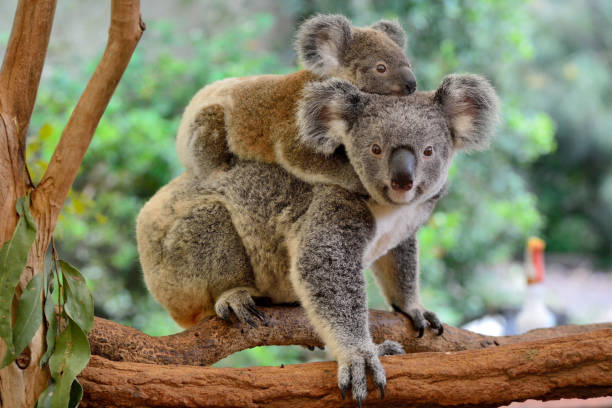
The Importance of Biodiversity
Biodiversity ensures ecosystem stability and resilience. A diverse natural world supports agriculture, medicine, and economic development. Many life-saving medicines are derived from plants and animals found in the wild. Additionally, biodiversity supports livelihoods, especially in rural and indigenous communities that depend on forests, rivers, and wildlife for survival.
When one species disappears, it affects the entire ecosystem. For example, the decline of predators can lead to overpopulation of certain animals, damaging vegetation and disrupting natural cycles. Protecting wildlife means protecting the delicate balance that keeps our planet healthy.
Threats to Wildlife Today
Despite conservation efforts, wildlife continues to face serious dangers. Illegal wildlife trade remains one of the biggest global crimes, threatening species such as elephants, rhinos, and pangolins. Climate change alters habitats, forcing animals to migrate or adapt rapidly, often unsuccessfully. Plastic pollution harms marine life, while deforestation destroys homes for countless species.
Human activities are the primary cause of these threats. However, humans also hold the power to reverse the damage through conscious choices and collective action.
Conservation Efforts and Global Responsibility
Governments, environmental organizations, and wildlife activists worldwide are working to protect endangered species and restore ecosystems. Protected areas, wildlife sanctuaries, national parks, and conservation laws play a crucial role in preserving biodiversity. International agreements like the Convention on International Trade in Endangered Species (CITES) help regulate wildlife trade and protect vulnerable species.
World Wildlife Day also encourages innovation in conservation—using technology such as satellite tracking, drones, and AI to monitor wildlife and prevent illegal activities. Education and community involvement are equally important, as conservation succeeds best when local people are actively engaged.
How Individuals Can Make a Difference
Protecting wildlife is not only the responsibility of governments or organizations—it starts with individuals. Simple actions can have a powerful impact. Reducing plastic use, supporting sustainable products, conserving water, and planting trees all contribute to a healthier environment. Avoiding products made from endangered species and reporting illegal wildlife trade can save lives.
Spreading awareness through social media, participating in clean-up drives, and supporting wildlife conservation groups are effective ways to contribute. Teaching children about the importance of nature ensures that future generations grow up with respect and responsibility toward the environment.
Wildlife Conservation in India
India is home to rich biodiversity, including iconic species like tigers, elephants, leopards, and one-horned rhinoceroses. Conservation programs such as Project Tiger and Project Elephant have shown positive results, proving that dedicated efforts can make a difference. However, habitat loss and human-wildlife conflict remain challenges that require continuous attention and sustainable solutions.
World Wildlife Day provides an opportunity to celebrate India’s natural heritage while reinforcing the need to protect it through responsible development and environmental awareness.
A Call to Action
World Wildlife Day is more than a date on the calendar—it is a call to action. Every species lost weakens the web of life that supports us all. By choosing conservation over exploitation, sustainability over short-term gains, and awareness over ignorance, we can build a future where humans and wildlife coexist in harmony.
Protecting wildlife means protecting our planet, our health, and our future. Let World Wildlife Day inspire us to respect nature, act responsibly, and become guardians of the wild—because the survival of wildlife is ultimately the survival of humanity.
Leave a Reply