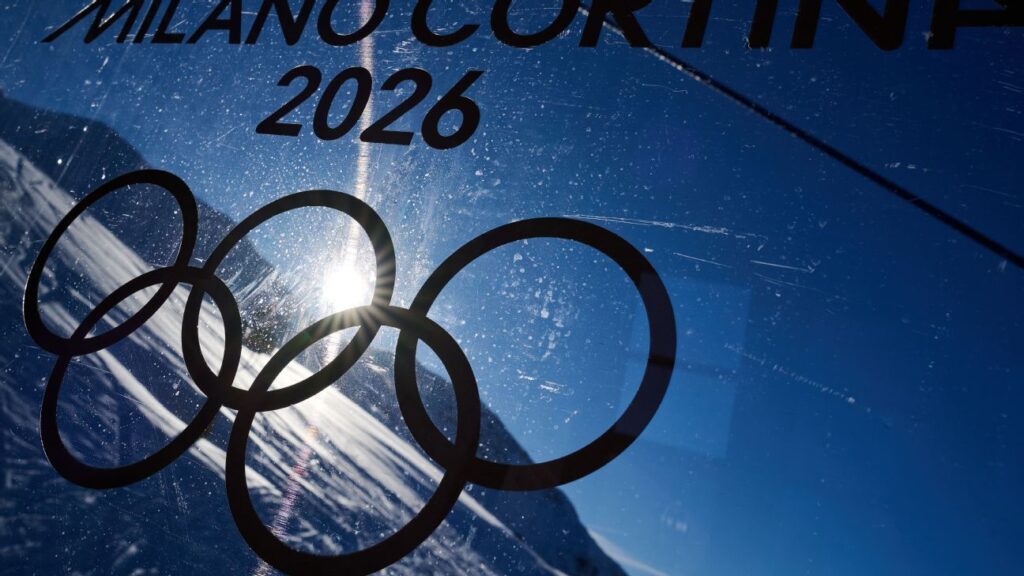
2026 Winter Olympics, officially known as the Milano Cortina 2026 Olympic Winter Games, have captured the world’s imagination with a blend of historic tradition, modern innovation, and breathtaking competition. From February 6 to February 22, 2026, athletes from around the globe converged in Northern Italy — spanning the urban energy of Milan to the snow-capped alpine beauty of Cortina d’Ampezzo — for what promises to be one of the most exciting Winter Games in recent memory. (Encyclopedia Britannica)
Table of Contents
A New Chapter for Winter Sports in Italy
Italy last hosted the Winter Olympics in Turin in 2006, and two decades later the country returns with an expanded vision. The 2026 Games are co-hosted by Milan — a global fashion and design capital — and Cortina d’Ampezzo, one of the most iconic alpine resorts in the world. Unlike previous editions, the event is spread across multiple mountain clusters and cities, making it the most geographically expansive Winter Olympics ever staged. (InTheSnow)
In total, around 2,900 athletes from more than 90 countries are expected to compete across 116 medal events in 16 winter sports disciplines. (Encyclopedia Britannica)

Opening With Harmony
The Opening Ceremony — officially titled “Armonia” (Harmony) — took place on February 6, 2026, at the legendary San Siro Stadium in Milan. The spectacle was designed to reflect the Games’ unifying spirit, blending culture, music, and athletic pride. International stars such as Mariah Carey, along with Italian icons like Laura Pausini and Andrea Bocelli, graced the ceremony, adding grandeur to the night’s festivities. (Wikipedia)
This ceremony was noteworthy not just for its artistic display but also for symbolizing Italy’s effort to merge the diverse cultural landscapes of Milan and Cortina — urban dynamism with alpine tradition. (Wikipedia)
A Venue Mosaic: From Urban Arenas to Alpine Peaks
One defining feature of the 2026 Winter Olympics is its use of diverse venues. Events were hosted not only in major cities like Milan but also in historic mountain towns and new alpine facilities:
- Cortina Curling Olympic Stadium hosted the curling competitions, with the mixed doubles contest kicking off the Games ahead of the opening ceremony. (AP News)
- Stelvio Ski Centre and Tofane Alpine Skiing Centre brought thrilling downhill and technical skiing events to life against stunning mountain backdrops. (Wikipedia)
- The Unipol Forum in Assago (near Milan) was buzzing with ice hockey, figure skating, and short-track speed skating action. (news.bet365.com)
The closing chapter of the Games occurred at the ancient Verona Arena on February 22, 2026, blending Olympic pageantry with Italy’s rich cultural heritage. (Wikipedia)
Sporting Firsts and Expanded Programmes
Milano Cortina 2026 pushed the boundaries of winter sport inclusivity and excitement. New and reimagined events included:
- Ski mountaineering (Skimo) made its Olympic debut, testing athletes’ endurance across demanding uphill climbs and thrilling downhill sections. (The Economic Times)
- Expanded disciplines in freestyle skiing and luge introduced more opportunities for competition, including dual moguls and women’s doubles in luge. (The Economic Times)
- Across sports, gender balance reached new heights, with women racing the same cross-country distances as men — a milestone in Olympic history. (Wikipedia)
More than just competition, these innovations reflect the IOC’s growing commitment to fairness, equality, and engaging formats that resonate with modern audiences. (Cloudinary)
Stories That Captivate
Behind the medals and records are personal journeys that define the Olympic spirit:
- Italian alpine ski legend Sofia Goggia became a focal point of national pride as she competed for gold on home snow, showcasing resilience and elite skill. (The Times of India)
- In a dramatic comeback story, former Olympic champion Lindsey Vonn announced she would compete despite a severe ACL injury, underscoring the determination that defines winter sports. (People.com)
Meanwhile, the curling mixed doubles event made headlines as one of the first competitions of the Games, illustrating the strategic and thrilling nature of this team sport. (Reuters)
Challenges and Controversies
Despite the excitement, the Games were not without challenges. Several venues faced late construction, raising concerns about readiness just days before the start. (The Sun)
Environmental debates also surfaced, particularly around the massive use of artificial snow, which critics argue has ecological costs that contrast with sustainability goals. (Le Monde.fr)
Looking Ahead
As the Olympic flame was extinguished in Verona, the legacy of Milano Cortina 2026 lives on — a testament to athletic achievement, organizational ambition, and cultural celebration. These Winter Games did more than award medals; they inspired fans, united nations through sport, and showcased how tradition and innovation can coexist on the world’s biggest winter stage.
From the snowy alpine slopes to the vibrant arenas of Milan, the 2026 Winter Olympics have left an indelible mark on Olympic history — truly a celebration of harmony, competition, and human spirit.

Leave a Reply